The Importance of Career Counseling in the USA Education System
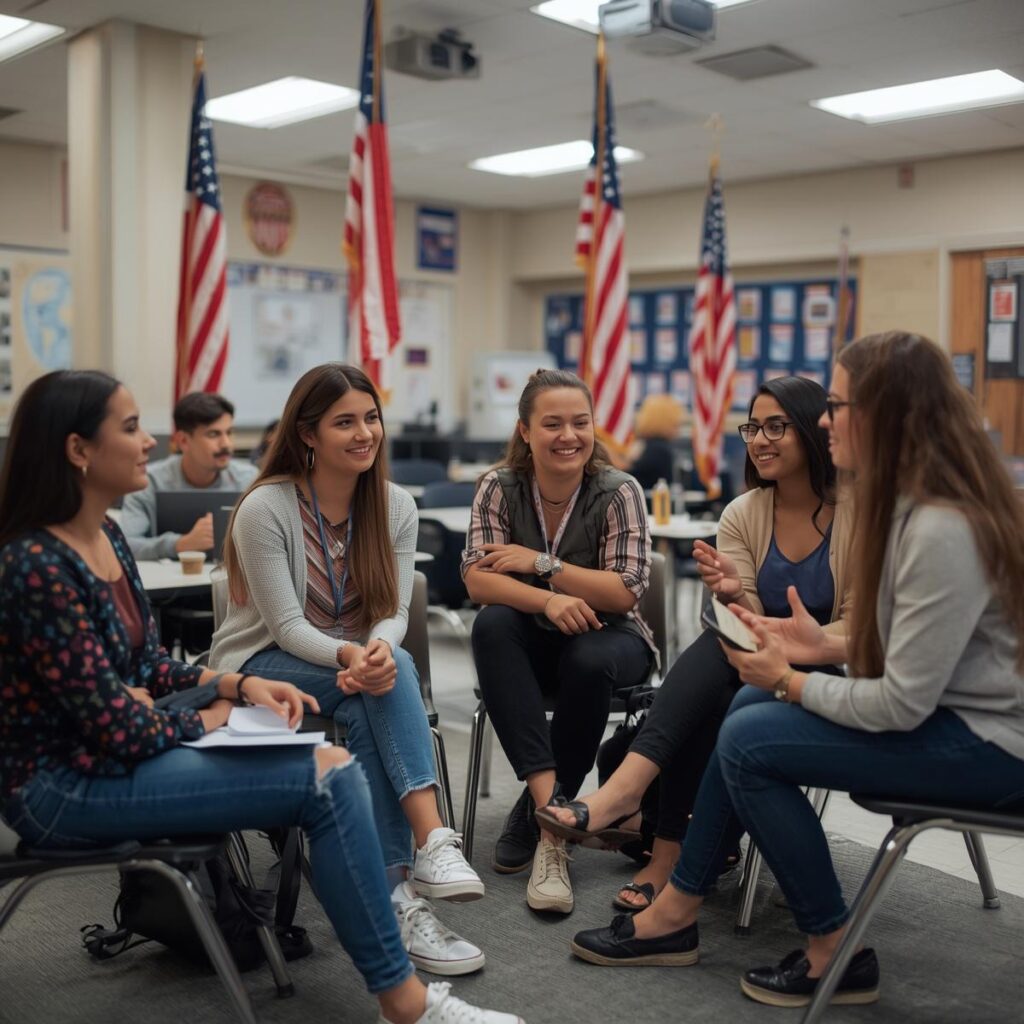
Choosing the right career path is one of the most important decisions a student can make. In the United States, the education system places significant emphasis on career counseling to help students make informed choices about their future. With a wide range of career options available, students often need guidance to identify their interests, strengths, and long-term goals.
Career counseling plays a crucial role in bridging the gap between education and employment, ensuring that students are well-prepared for the professional world.
What is Career Counseling?
Career counseling is a process that helps individuals understand their skills, interests, and values in order to make informed career decisions. In American schools and colleges, trained counselors work with students to explore different career paths and educational opportunities.
This process often includes assessments, one-on-one discussions, and goal-setting activities. Counselors provide valuable insights into various industries, job requirements, and future trends.
Career counseling is not limited to high school or college students—it can also benefit individuals who are considering career changes or seeking professional growth.
The Role of Career Counselors
Career counselors play a vital role in guiding students through their educational and professional journeys. They help students identify their strengths and weaknesses and suggest suitable career options.
Counselors also assist students in selecting appropriate courses and academic programs that align with their career goals. They provide information about college admissions, scholarships, and training programs.
In addition, career counselors offer support in resume writing, interview preparation, and job search strategies. Their guidance helps students transition smoothly from education to employment.
Helping Students Make Informed Decisions
One of the biggest challenges students face is deciding what career path to pursue. With so many options available, it can be overwhelming to choose the right direction.
Career counseling helps students make informed decisions by providing accurate and up-to-date information. Counselors explain the requirements, benefits, and challenges of different careers.
They also help students understand the importance of aligning their career choices with their interests and abilities. This reduces the risk of dissatisfaction and increases the likelihood of long-term success.
Career Counseling in High Schools
In the United States, career counseling often begins in high school. Students are introduced to different career options and encouraged to explore their interests.
High school counselors help students plan their academic paths by selecting appropriate courses and extracurricular activities. They also guide students through the college application process.
Workshops, career fairs, and internship opportunities are commonly organized to give students exposure to various professions. These experiences help students make more informed decisions about their future.
Career Counseling in Colleges and Universities
Career counseling continues at the college level, where students receive more specialized guidance. University career centers provide resources and support for students as they prepare to enter the workforce.
Students can access services such as career assessments, job placement assistance, and networking opportunities. Many universities also organize job fairs and connect students with potential employers.
Career counseling at this stage focuses on helping students develop professional skills and gain practical experience through internships and part-time jobs.
The Importance of Self-Assessment
Self-assessment is a key component of career counseling. It involves evaluating one’s interests, skills, values, and personality traits.
Career counselors often use tools such as aptitude tests and personality assessments to help students gain a better understanding of themselves. This information is used to suggest suitable career options.
Self-awareness is essential for making informed decisions and achieving career satisfaction. Students who understand their strengths are more likely to succeed in their chosen fields.
Bridging the Gap Between Education and Employment
One of the main goals of career counseling is to bridge the gap between education and employment. Many students graduate without a clear understanding of how to apply their knowledge in the workplace.
Career counseling helps students develop practical skills such as communication, teamwork, and problem-solving. It also provides guidance on job search strategies and professional development.
By preparing students for real-world challenges, career counseling increases their chances of securing meaningful employment.
The Role of Internships and Work Experience
Internships and work experience are important aspects of career development. Career counselors often encourage students to gain hands-on experience in their chosen fields.
Internships provide valuable insights into the workplace and help students develop practical skills. They also allow students to build professional networks and explore different career options.
Many employers prefer candidates with work experience, making internships an important step toward career success.
Challenges in Career Counseling
Despite its importance, career counseling in the United States faces several challenges. One of the main issues is limited access to counseling services in some schools, especially in underfunded areas.
High student-to-counselor ratios can also make it difficult for counselors to provide personalized attention. This may affect the quality of guidance students receive.
Additionally, rapidly changing job markets require counselors to stay updated with new trends and opportunities. Continuous training and development are essential to address this challenge.
The Impact of Technology on Career Counseling
Technology has enhanced career counseling services in the United States. Online platforms, career assessment tools, and virtual counseling sessions have made guidance more accessible.
Students can explore career options, research job markets, and connect with professionals through digital platforms. Virtual job fairs and online networking events have also become more common.
Technology allows counselors to provide more personalized and efficient services, improving the overall effectiveness of career counseling.
The Importance of Lifelong Career Guidance
Career counseling is not limited to students—it is a lifelong process. As industries evolve and new opportunities emerge, individuals may need to update their skills or change careers.
Lifelong career guidance helps individuals adapt to changes and stay competitive in the job market. Continuous learning and professional development are essential for long-term success.
In the United States, many organizations offer career counseling services for professionals at different stages of their careers.
Future Trends in Career Counseling
The future of career counseling in the United States is likely to be influenced by technological advancements and changing workforce demands.
Artificial intelligence and data analytics may be used to provide more accurate career recommendations. Personalized career pathways and skill-based guidance are expected to become more common.
There will also be a greater focus on emerging fields such as technology, sustainability, and healthcare. Career counselors will play a key role in preparing students for these industries.
Conclusion
Career counseling is an essential component of the education system in the United States. It helps students make informed decisions, develop practical skills, and prepare for successful careers.
By providing guidance and support, career counselors bridge the gap between education and employment. Despite challenges, ongoing advancements in technology and increased awareness are improving access to career counseling services.
Ultimately, career counseling empowers individuals to achieve their goals and build fulfilling professional lives.