The Evolution of Renewable Energy in the United States
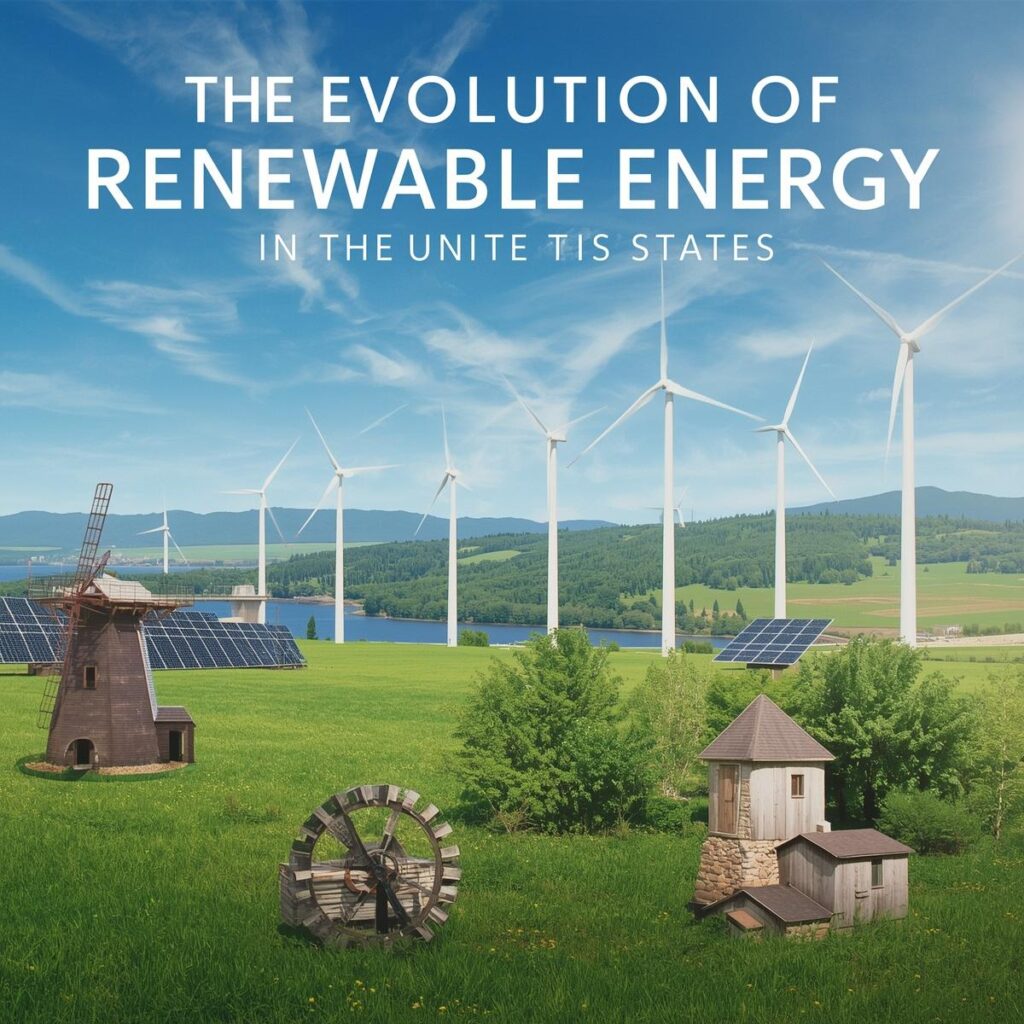
The United States has witnessed a remarkable transformation in its energy landscape over the past few decades. Renewable energy—encompassing solar, wind, hydroelectric, geothermal, and biomass—has emerged as a vital component of the nation’s strategy for sustainability, energy security, and climate mitigation. Driven by technological advancements, policy incentives, and growing environmental awareness, the U.S. has become a global leader in renewable energy adoption. This article explores the evolution, current state, and future prospects of renewable energy in the United States.
Historical Background of Energy in the United States
Historically, the United States relied heavily on fossil fuels, including coal, oil, and natural gas, to power its economy. During the Industrial Revolution, coal dominated electricity generation, fueling industrial growth and urbanization. By the mid-20th century, petroleum and natural gas became major sources of energy, supporting transportation, manufacturing, and household consumption.
Environmental concerns and the oil crises of the 1970s spurred interest in alternative energy sources. The Energy Policy and Conservation Act of 1975 and the establishment of the Department of Energy (DOE) in 1977 marked the beginning of a concerted effort to explore renewable energy options.
The Rise of Solar Energy
Solar energy has experienced significant growth in the United States, particularly in the past two decades. Photovoltaic (PV) technology converts sunlight directly into electricity, providing a clean and renewable power source.
- Early Adoption: Initially, solar panels were expensive and mostly used for specialized applications, such as satellites and remote communications.
- Residential Solar: In the early 2000s, declining costs and government incentives made residential solar more accessible. Programs like the federal Investment Tax Credit (ITC) encouraged homeowners to install solar panels.
- Utility-Scale Solar Farms: Large-scale solar farms in states like California, Nevada, and Texas now generate thousands of megawatts of electricity, supplying power to millions of homes.
Today, the U.S. ranks among the top solar energy producers globally, with solar capacity projected to continue growing as technology advances.
Wind Energy Expansion
Wind energy has emerged as a major contributor to the U.S. renewable energy portfolio. Modern wind turbines convert wind kinetic energy into electricity and have proven highly effective in states with favorable wind conditions.
- Historical Context: Small-scale wind farms began appearing in the 1980s, supported by state-level incentives.
- Growth in the 2000s: The Production Tax Credit (PTC) and federal incentives accelerated wind farm construction in the Midwest, often referred to as the “Wind Belt.”
- Offshore Wind Potential: The Atlantic coast, particularly near New York, Massachusetts, and New Jersey, is being developed for offshore wind farms capable of generating substantial clean energy.
Wind energy currently provides a significant portion of electricity in states such as Iowa, Kansas, and Oklahoma, demonstrating its potential for large-scale power generation.
Hydropower and Its Role
Hydropower, one of the oldest forms of renewable energy, has been a cornerstone of U.S. electricity generation for over a century. Dams and river systems convert water flow into electricity, providing a stable and reliable energy source.
- Major Projects: The Hoover Dam and Grand Coulee Dam are iconic examples of U.S. hydropower infrastructure.
- Modern Adaptations: Advances in turbine efficiency, small-scale hydropower systems, and environmental mitigation strategies have made hydropower more sustainable.
- Limitations: While hydropower is reliable, its expansion is limited by ecological concerns and available water resources.
Despite these limitations, hydropower continues to provide a steady source of renewable energy and contributes to grid stability.
Emergence of Geothermal and Biomass Energy
Geothermal energy harnesses heat from the Earth’s interior to generate electricity and provide heating solutions. The U.S., with geothermal-rich regions in California, Nevada, and Utah, has developed several geothermal power plants.
Biomass energy, derived from organic materials such as agricultural residues, wood, and waste, is another important renewable source. Biomass can generate electricity, heat, and biofuels, supporting rural economies and reducing waste.
While geothermal and biomass currently contribute a smaller share of the U.S. energy mix, technological innovation is enhancing their efficiency and cost-effectiveness.
Government Policies and Incentives
Government policies have been instrumental in promoting renewable energy adoption in the United States:
- Federal Investment Tax Credit (ITC): Encourages solar energy installation by providing tax credits for residential and commercial projects.
- Production Tax Credit (PTC): Supports wind energy development by offering tax credits for each kilowatt-hour produced.
- State-Level Programs: Many states have Renewable Portfolio Standards (RPS) that mandate a certain percentage of electricity come from renewable sources.
- Research Funding: The Department of Energy invests in research and development to improve renewable energy technologies and storage solutions.
These policies have not only reduced costs but also created jobs and stimulated economic growth in renewable sectors.
Technological Advancements Driving Growth
Technological innovation is central to the evolution of renewable energy in the U.S.:
- Energy Storage: Advances in battery technology and grid-scale storage allow intermittent sources like solar and wind to provide reliable electricity.
- Smart Grids: Modern electrical grids integrate renewable energy efficiently, balancing supply and demand while reducing energy waste.
- Efficiency Improvements: Modern solar panels and wind turbines are significantly more efficient than earlier models, reducing costs and increasing energy output.
These innovations ensure that renewable energy is increasingly competitive with traditional fossil fuels.
Economic and Environmental Benefits
Renewable energy provides numerous economic and environmental benefits for the United States:
- Job Creation: Solar, wind, and related industries create employment opportunities in manufacturing, installation, and maintenance.
- Energy Independence: Increasing domestic renewable energy production reduces reliance on imported fossil fuels.
- Emission Reductions: Clean energy sources lower greenhouse gas emissions, helping the U.S. meet climate goals and improve air quality.
- Resilience: Distributed renewable energy systems enhance grid resilience against natural disasters and energy disruptions.
The combination of environmental and economic benefits makes renewable energy a cornerstone of sustainable development.
Challenges in Renewable Energy Adoption
Despite its rapid growth, renewable energy faces challenges in the United States:
- Intermittency: Solar and wind depend on weather conditions, requiring backup systems or storage solutions.
- Infrastructure Limitations: Upgrading transmission lines and integrating renewable sources into existing grids require significant investment.
- Public Opposition: Some communities resist wind farms, solar installations, or transmission projects due to aesthetic, environmental, or land-use concerns.
- Policy Uncertainty: Fluctuating political support and incentives can impact long-term investment and planning.
Overcoming these challenges requires continued innovation, public engagement, and supportive policies.
The Future of Renewable Energy in the United States
The future of renewable energy in the U.S. looks promising. Projections indicate that renewable sources could supply a majority of electricity by mid-century if current growth trends continue.
- Technological Integration: Advancements in storage, grid management, and hybrid energy systems will enhance reliability.
- Electrification of Transportation: As electric vehicles become mainstream, demand for renewable electricity will increase.
- Decentralized Energy Systems: Rooftop solar, microgrids, and community-based projects will empower local energy generation.
- Global Leadership: U.S. innovation in renewable energy positions the country as a leader in global climate action and sustainable technology.
Investment, research, and education will play crucial roles in ensuring the renewable energy transition benefits society, the economy, and the environment.
Conclusion
The evolution of renewable energy in the United States represents a transformative journey from dependence on fossil fuels to embracing sustainable solutions. Solar, wind, hydropower, geothermal, and biomass energy have grown dramatically, supported by policy incentives, technological advancements, and public awareness.
Renewable energy not only addresses climate change but also strengthens economic resilience, creates jobs, and enhances energy security. While challenges remain, the continued commitment to innovation, infrastructure development, and supportive policies ensures that the United States will continue to lead in renewable energy adoption.
The evolution of renewable energy is not just a technological achievement—it is a societal imperative, shaping a cleaner, more sustainable, and resilient future for generations to come.