The Importance of Student Mental Health in the USA Education System
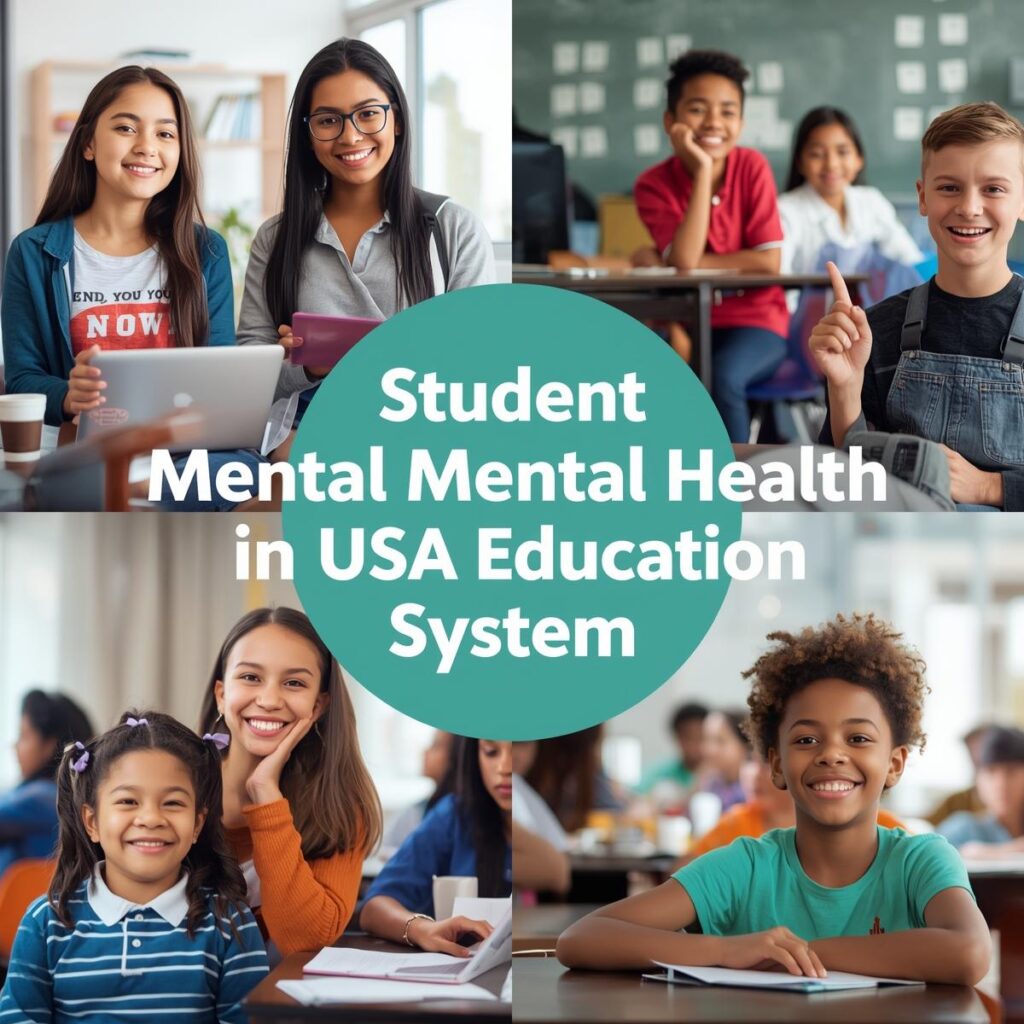
Student mental health has become a major focus in the United States education system. As academic pressure, social expectations, and personal challenges continue to grow, ensuring students’ mental well-being is more important than ever. Schools, colleges, and universities are increasingly recognizing that mental health plays a crucial role in academic success and overall development.
A healthy mind is essential for effective learning. When students feel supported emotionally and psychologically, they are more likely to perform well, build strong relationships, and achieve their goals.
Understanding Student Mental Health
Mental health refers to a person’s emotional, psychological, and social well-being. For students, it affects how they think, feel, and behave in academic and social environments.
In the United States, common mental health challenges among students include stress, anxiety, depression, and burnout. These issues can arise from academic pressure, personal problems, social media influence, and future uncertainties.
Recognizing these challenges is the first step toward providing support and creating a healthier learning environment.
The Impact of Mental Health on Academic Performance
Mental health has a direct impact on a student’s ability to learn and perform academically. Students who experience stress or anxiety may find it difficult to concentrate, complete assignments, or participate in class.
Poor mental health can lead to decreased motivation, lower grades, and even dropout in severe cases. On the other hand, students with good mental health are more focused, engaged, and capable of achieving academic success.
This connection highlights the importance of addressing mental health as part of the education system.
Common Causes of Stress Among Students
Students in the United States face various sources of stress. Academic pressure is one of the most significant factors, as students strive to achieve high grades and meet expectations.
Other common causes include:
- Competition for college admissions
- Financial concerns, such as tuition fees and student loans
- Social pressures and peer relationships
- Balancing academics with extracurricular activities
- Uncertainty about future careers
Understanding these stressors helps educators and parents provide better support to students.
The Role of Schools in Supporting Mental Health
Schools play a vital role in promoting student mental health. Many educational institutions in the United States have implemented programs and services to support students’ well-being.
School counselors, psychologists, and support staff provide guidance and assistance to students facing mental health challenges. They offer counseling sessions, workshops, and stress management programs.
Creating a positive and inclusive school environment also contributes to mental well-being. When students feel safe and respected, they are more likely to thrive academically and socially.
The Importance of Open Communication
Open communication is essential for addressing mental health issues. Students should feel comfortable talking about their feelings and seeking help when needed.
Teachers and parents can encourage open communication by listening without judgment and providing support. Building trust is key to helping students express their concerns.
In the United States, many schools promote awareness campaigns to reduce stigma around mental health and encourage students to seek help.
The Role of Parents and Families
Families play a crucial role in supporting student mental health. A supportive home environment can help students cope with stress and build resilience.
Parents can encourage healthy habits, provide emotional support, and maintain open communication with their children. Being aware of changes in behavior or mood can help identify potential issues early.
Collaboration between parents and schools ensures that students receive consistent support both at home and in their educational environment.
Stress Management Techniques for Students
Students can use various techniques to manage stress and maintain mental well-being. Some effective strategies include:
- Practicing mindfulness and relaxation techniques
- Maintaining a balanced schedule
- Taking regular breaks during study sessions
- Engaging in physical activities and exercise
- Getting enough sleep
- Seeking support from friends, family, or counselors
Developing these habits can help students cope with challenges and maintain a positive mindset.
The Impact of Social Media on Mental Health
Social media has become a significant part of students’ lives, and it can have both positive and negative effects on mental health.
While social media allows students to connect with others and share experiences, it can also lead to comparison, cyberbullying, and increased anxiety.
In the United States, educators and parents are encouraging responsible use of social media. Teaching students how to manage their online presence and limit screen time is essential for maintaining mental well-being.
Mental Health Resources and Support Systems
The United States offers various mental health resources for students. Schools and universities often provide counseling services, hotlines, and online support platforms.
Many institutions also organize workshops and awareness programs to educate students about mental health and coping strategies.
Access to these resources ensures that students can receive help when needed and reduces the risk of long-term mental health issues.
The Importance of Self-Care
Self-care is an essential aspect of maintaining mental health. It involves taking time to relax, recharge, and focus on personal well-being.
Students can practice self-care by engaging in hobbies, spending time with loved ones, and setting realistic goals. Taking care of physical health also contributes to mental well-being.
Encouraging self-care helps students build resilience and handle challenges more effectively.
Challenges in Addressing Student Mental Health
Despite increased awareness, there are still challenges in addressing mental health in the education system. Limited resources, stigma, and lack of trained professionals can hinder support efforts.
Some students may hesitate to seek help due to fear of judgment or misunderstanding. Addressing these barriers requires continuous effort and awareness.
Educational institutions must prioritize mental health and invest in resources to support students effectively.
The Future of Mental Health Support in Education
The future of education in the United States is likely to include a stronger focus on mental health. Schools and universities are expected to expand counseling services and integrate mental health education into curricula.
Technology may also play a role in providing support through online counseling and mental health apps.
By prioritizing mental well-being, the education system can create a healthier and more supportive environment for students.
Conclusion
Student mental health is a critical component of the education system in the United States. It affects academic performance, personal development, and overall well-being.
By providing support, promoting awareness, and encouraging open communication, schools and families can help students manage stress and overcome challenges.
Investing in mental health is essential for creating a positive learning environment and ensuring that students can achieve their full potential.