The Impact of Climate Change on the United States
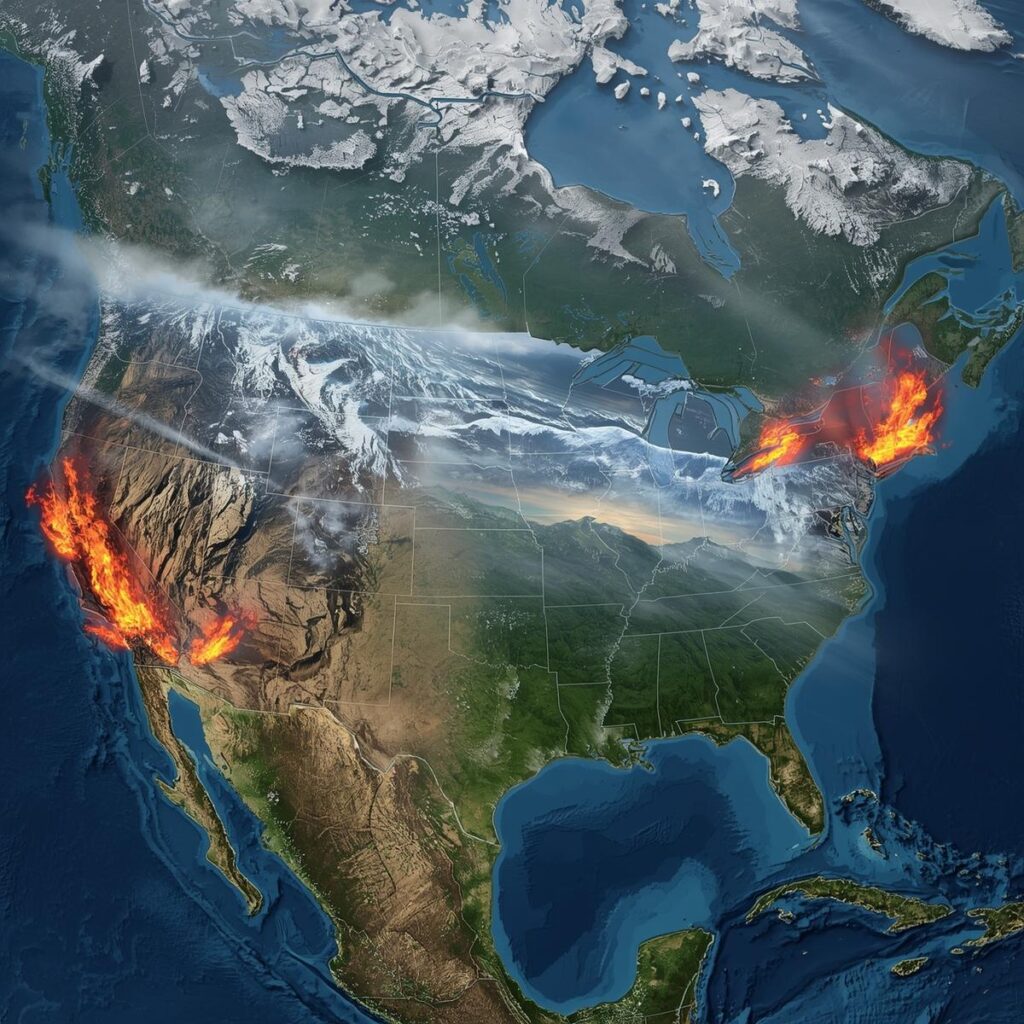
Climate change is arguably one of the most urgent challenges of the 21st century, and its effects are increasingly evident across the United States. From rising temperatures to intensifying storms, floods, and wildfires, the nation faces environmental, social, and economic consequences that cannot be ignored. The United States, with its vast geographic diversity and highly industrialized economy, experiences climate change in varied ways—from coastal erosion on the Atlantic seaboard to droughts in the Southwest. Understanding these impacts is crucial for policymakers, communities, and individuals seeking to mitigate and adapt to climate-related risks.
Causes of Climate Change in the United States
Climate change is primarily driven by the accumulation of greenhouse gases (GHGs) in the atmosphere. In the U.S., the main sources include:
- Fossil Fuel Consumption: Coal, oil, and natural gas remain the dominant energy sources. Electricity generation, transportation, and industry release significant amounts of carbon dioxide (CO₂) and methane (CH₄), intensifying the greenhouse effect.
- Industrial Activities: Factories and manufacturing plants contribute to GHG emissions. The U.S. industrial sector is a major source of CO₂, nitrous oxide, and other harmful pollutants.
- Agriculture: Livestock farming releases methane, a potent greenhouse gas, while fertilizers emit nitrous oxide. Agricultural practices also impact land use, contributing to deforestation and soil degradation.
- Deforestation and Urbanization: Expanding cities and clearing land for agriculture reduce the number of trees that can absorb CO₂. Urban heat islands exacerbate local warming in major cities like New York, Los Angeles, and Chicago.
While climate change is a global phenomenon, the United States is responsible for a significant share of historical emissions, which makes mitigation strategies particularly important domestically.
Rising Temperatures and Heatwaves
One of the most visible effects of climate change in the United States is the increase in average temperatures. According to NOAA (National Oceanic and Atmospheric Administration), the contiguous United States has warmed by approximately 2°F since the early 20th century.
Rising temperatures have led to:
- More frequent and severe heatwaves: Cities like Phoenix, Las Vegas, and Houston regularly experience extreme temperatures that endanger public health. Vulnerable populations, including the elderly and children, face heightened risks of heat-related illnesses.
- Shifting growing seasons: While some crops may benefit from longer growing periods, extreme heat can reduce yields, particularly for corn, wheat, and soybeans in the Midwest.
- Strain on energy systems: Higher temperatures increase demand for cooling, putting pressure on power grids and increasing electricity costs.
Extreme Weather Events
The United States is experiencing more frequent and intense weather events due to climate change. These include hurricanes, tornadoes, floods, and wildfires.
- Hurricanes and Tropical Storms: Rising ocean temperatures fuel stronger hurricanes, as seen with Hurricane Harvey (2017) and Hurricane Ida (2021), which caused billions of dollars in damage and displaced thousands of residents. Coastal regions, particularly in the Gulf of Mexico and the Southeast, face heightened vulnerability.
- Flooding: Increased rainfall intensity and sea-level rise contribute to flooding, affecting cities like Miami, New Orleans, and New York. Inland areas are also at risk due to overflowing rivers and aging infrastructure.
- Wildfires: The Western U.S., especially California, Oregon, and Washington, has witnessed devastating wildfires that destroy homes, forests, and habitats. Prolonged droughts and high temperatures exacerbate fire conditions.
- Tornadoes: Some studies suggest changes in temperature and humidity patterns may influence the frequency and intensity of tornadoes in the central U.S., known as Tornado Alley.
Impact on Agriculture and Food Security
Agriculture, a cornerstone of the U.S. economy, is highly sensitive to climate change. Rising temperatures, irregular rainfall, and extreme weather events affect crop yields, livestock health, and overall food security.
- Crop Yields: Heat stress reduces yields of corn, wheat, and soybeans. Changing precipitation patterns can lead to both droughts and flooding, complicating planting and harvesting schedules.
- Livestock: Heatwaves and extreme temperatures can affect animal health, reducing productivity in dairy and meat industries.
- Food Prices: Disruptions in production and supply chains lead to increased food prices, affecting both farmers and consumers.
Efforts to adapt include using drought-resistant crops, advanced irrigation systems, and precision agriculture technology to optimize resource use.
Economic Consequences
Climate change has significant economic repercussions for the United States. Natural disasters, infrastructure damage, and productivity losses all impact the economy:
- Damage to Infrastructure: Roads, bridges, power lines, and water systems are vulnerable to floods, hurricanes, and wildfires. Repair and maintenance costs are rising.
- Insurance Costs: Insurance premiums for homeowners and businesses in high-risk areas are increasing due to climate-related damages.
- Business Disruption: Extreme weather affects transportation, manufacturing, and supply chains, disrupting economic activity.
According to a 2021 report, the U.S. incurred over $100 billion in losses from weather and climate-related disasters in a single year. These costs are expected to rise without mitigation and adaptation strategies.
Health Impacts
Climate change poses serious public health risks in the United States:
- Heat-Related Illnesses: Heatwaves contribute to dehydration, heat exhaustion, and heat stroke. Urban areas with dense populations are particularly vulnerable.
- Air Quality: Wildfires release smoke and pollutants, worsening respiratory conditions like asthma. Increased temperatures also exacerbate ground-level ozone, impacting cardiovascular and lung health.
- Vector-Borne Diseases: Rising temperatures and changing ecosystems can expand the range of disease-carrying insects such as mosquitoes and ticks, increasing the risk of diseases like Lyme disease and West Nile virus.
Public health systems must prepare for climate-related health challenges through early warning systems, infrastructure planning, and community awareness programs.
Environmental and Ecological Effects
Climate change affects ecosystems and biodiversity across the United States:
- Sea-Level Rise: Coastal erosion threatens habitats, homes, and critical infrastructure, particularly in Florida, Louisiana, and parts of the Northeast.
- Habitat Loss: Rising temperatures and changing precipitation affect forests, wetlands, and freshwater ecosystems. Species unable to adapt may face extinction.
- Ocean Changes: Increased CO₂ levels cause ocean acidification, affecting fisheries, coral reefs, and marine biodiversity.
Conservation strategies, such as protecting wetlands, reforestation, and sustainable land management, are crucial to preserving ecological balance.
Policy and Mitigation Efforts
The United States has implemented various policies to combat climate change:
- Clean Energy Initiatives: The government promotes renewable energy, energy efficiency, and emission reductions through incentives and regulations.
- Climate Action Plans: Federal and state-level action plans aim to reduce greenhouse gas emissions and improve resilience to climate impacts.
- International Agreements: The U.S. participates in global agreements such as the Paris Climate Accord, committing to emission reductions and climate cooperation.
- Adaptation Strategies: Infrastructure improvements, disaster preparedness, and public awareness campaigns enhance resilience against climate-related hazards.
Private sector involvement is also critical, with corporations investing in sustainable technologies, carbon offset programs, and green energy solutions.
Community and Individual Actions
Individuals and communities play a vital role in addressing climate change:
- Reducing Carbon Footprint: Using energy-efficient appliances, driving less, and reducing waste contribute to emission reduction.
- Supporting Renewable Energy: Adoption of solar panels, wind energy, and electric vehicles helps transition toward a low-carbon economy.
- Disaster Preparedness: Local communities can develop evacuation plans, maintain emergency supplies, and engage in climate adaptation initiatives.
Public awareness and grassroots movements, such as environmental advocacy and youth climate campaigns, help drive societal change.
Conclusion
Climate change is no longer a distant threat; it is a reality that affects every aspect of life in the United States. Rising temperatures, extreme weather events, and environmental disruptions have far-reaching consequences on health, the economy, and ecosystems.
Mitigation and adaptation require collective action from government, industry, communities, and individuals. Through sustainable policies, renewable energy adoption, and public awareness, the United States can address the challenges of climate change and build a resilient future.
The impact of climate change in the United States underscores the urgent need for immediate action and long-term planning to protect lives, property, and the environment.