The Importance of Inclusive Education in the USA
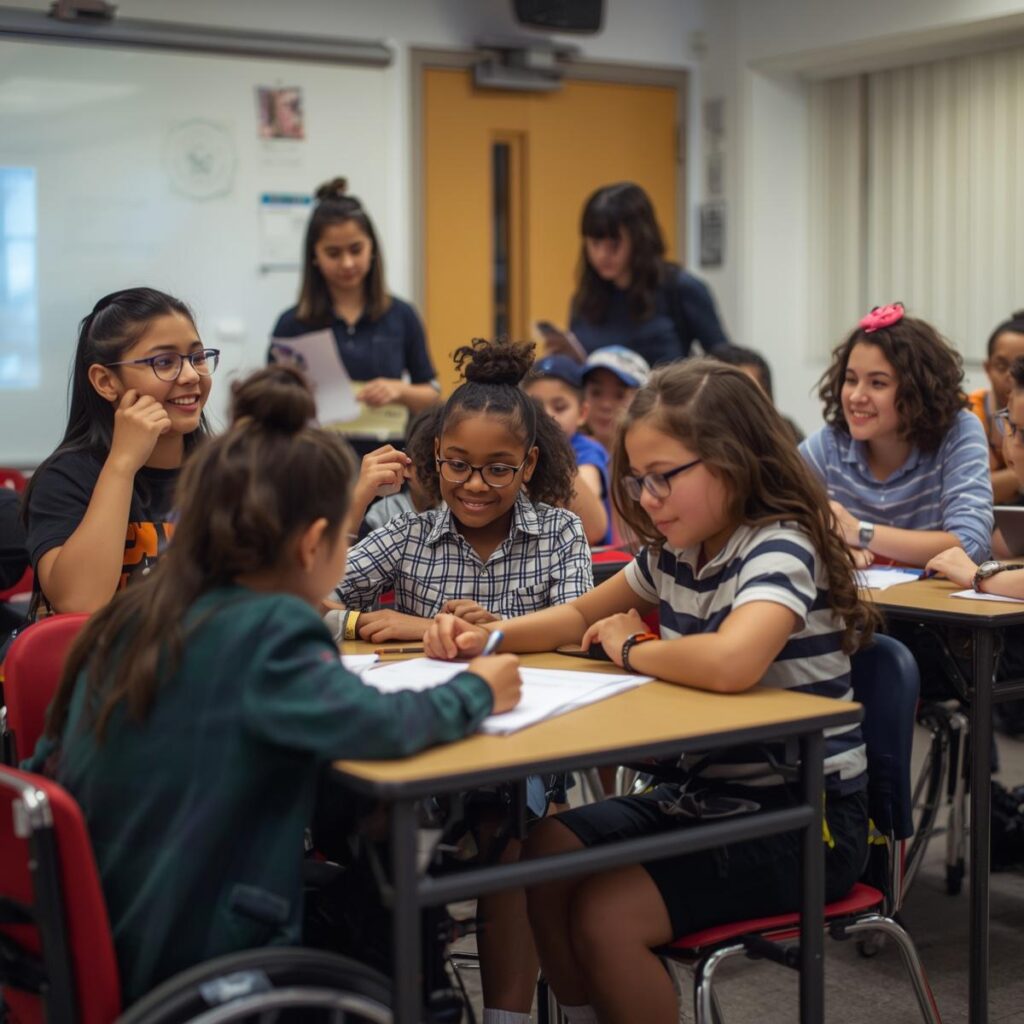
Inclusive education has become a central focus of the education system in the United States. It ensures that all students, regardless of their abilities, backgrounds, or challenges, have equal access to quality education. The goal of inclusive education is to create a learning environment where every student feels valued, respected, and supported.
In today’s diverse society, inclusive education is essential for promoting equality, understanding, and social development.
What is Inclusive Education?
Inclusive education refers to a system where students with different abilities, learning styles, and backgrounds learn together in the same classroom. This includes students with disabilities, language barriers, and diverse cultural backgrounds.
In the United States, laws and policies support inclusive education by ensuring that schools provide appropriate resources and accommodations for all students.
Inclusive classrooms focus on meeting the individual needs of each student while maintaining a supportive and collaborative environment.
The Importance of Equal Opportunities
One of the main goals of inclusive education is to provide equal opportunities for all students. Every child has the right to receive a quality education, regardless of their circumstances.
Inclusive education ensures that students are not excluded or separated based on their abilities or differences. This promotes fairness and helps reduce discrimination.
Providing equal opportunities also allows students to reach their full potential and contribute positively to society.
Benefits for Students with Disabilities
Inclusive education provides significant benefits for students with disabilities. Learning in a general classroom environment helps them develop social skills, build confidence, and interact with peers.
They also gain access to the same curriculum and learning opportunities as other students. With appropriate support, such as specialized instruction and assistive technology, these students can succeed academically.
Inclusive education also prepares students with disabilities for independent living and future employment.
Benefits for All Students
Inclusive education is not only beneficial for students with disabilities—it benefits all students. It promotes empathy, understanding, and respect for diversity.
Students learn to appreciate differences and work collaboratively with others. This creates a positive and supportive classroom environment.
Exposure to diverse perspectives also enhances critical thinking and problem-solving skills.
The Role of Teachers in Inclusive Education
Teachers play a crucial role in implementing inclusive education. They must create lesson plans that accommodate different learning styles and abilities.
Differentiated instruction is commonly used in inclusive classrooms. This approach involves adjusting teaching methods, materials, and assessments to meet the needs of all students.
Teachers also collaborate with special education professionals, counselors, and parents to provide comprehensive support.
The Importance of Individualized Support
Each student has unique needs, and inclusive education recognizes this by providing individualized support. In the United States, Individualized Education Programs (IEPs) are developed for students with specific learning needs.
These plans outline goals, accommodations, and support services tailored to each student. This ensures that students receive the assistance they need to succeed.
Personalized learning approaches help improve academic outcomes and overall development.
Creating a Positive Learning Environment
A positive and inclusive classroom environment is essential for effective learning. Teachers must foster a culture of respect, acceptance, and collaboration.
Encouraging open communication and addressing bullying or discrimination helps create a safe space for all students.
When students feel valued and supported, they are more likely to engage in learning and achieve success.
The Role of Technology in Inclusive Education
Technology plays a significant role in supporting inclusive education. Assistive technologies, such as speech-to-text software, screen readers, and learning apps, help students overcome challenges.
Digital tools also allow for personalized learning experiences. Students can learn at their own pace and access resources that meet their specific needs.
Technology helps bridge gaps and ensures that all students have access to quality education.
Challenges in Inclusive Education
Despite its benefits, inclusive education faces several challenges. One of the main issues is the lack of resources and funding in some schools.
Teachers may also require additional training to effectively manage diverse classrooms. Large class sizes can make it difficult to provide individualized attention.
Addressing these challenges requires support from governments, schools, and communities.
The Role of Parents and Communities
Parents and communities play an important role in supporting inclusive education. Collaboration between schools and families ensures that students receive consistent support.
Parents can advocate for their children’s needs and participate in decision-making processes. Community organizations can provide additional resources and support services.
Strong partnerships contribute to the success of inclusive education programs.
Promoting Diversity and Inclusion
Inclusive education promotes diversity and inclusion by celebrating differences and encouraging mutual respect. Students learn to value diversity and understand different perspectives.
This prepares them for a globalized world where collaboration and cultural awareness are essential.
Promoting inclusion also helps reduce stereotypes and discrimination in society.
Future Trends in Inclusive Education
The future of inclusive education in the United States is focused on improving access, quality, and support systems. Advances in technology and teaching methods are expected to enhance inclusive practices.
There will be a greater emphasis on personalized learning and collaboration between educators and support professionals.
Efforts to increase funding and resources will also play a key role in improving inclusive education.
The Importance of Policy and Legislation
Government policies and laws are essential for promoting inclusive education. In the United States, legislation ensures that students with disabilities receive appropriate support and equal opportunities.
These policies hold schools accountable and ensure that inclusive practices are implemented effectively.
Continued advocacy and policy development are necessary to strengthen inclusive education systems.
Conclusion
Inclusive education is a vital component of the U.S. education system. It ensures that all students have access to quality education and opportunities for success.
By promoting equality, diversity, and understanding, inclusive education benefits both individuals and society as a whole.
Despite challenges, ongoing efforts to improve resources, training, and support systems are making inclusive education more effective. Ultimately, it creates a more inclusive and compassionate society where every student can thrive.