The Importance of Digital Literacy in Modern Education in the USA
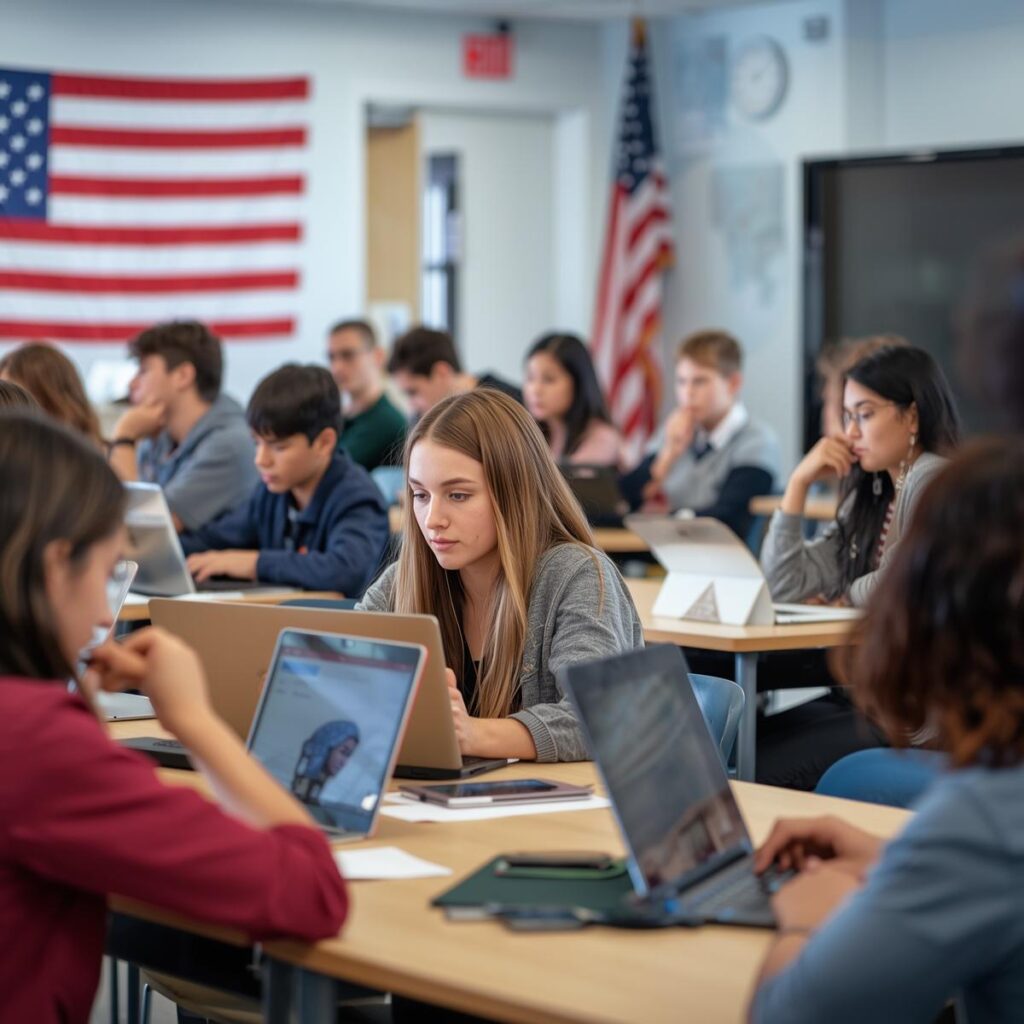
In the 21st century, digital literacy has become a fundamental skill for students in the United States. As technology continues to shape every aspect of life, the ability to effectively use digital tools and understand online information is essential for academic success and career readiness. Schools and universities are increasingly integrating digital literacy into their curricula to prepare students for a technology-driven world.
Digital literacy is not just about using computers—it involves critical thinking, communication, and responsible use of technology.
What is Digital Literacy?
Digital literacy refers to the ability to use digital devices, software, and online platforms effectively and responsibly. It includes skills such as searching for information, evaluating sources, creating digital content, and communicating online.
In the United States, digital literacy is considered a core competency alongside reading, writing, and mathematics. Students are expected to develop these skills from an early age.
Digital literacy also involves understanding online safety, privacy, and ethical behavior in digital environments.
The Importance of Digital Literacy in Education
Digital literacy plays a crucial role in modern education. Students rely on technology for research, assignments, and communication with teachers and peers.
Access to digital tools allows students to explore a wide range of resources, including online libraries, educational videos, and interactive platforms. This enhances learning and makes education more engaging.
Digital literacy also prepares students for online learning environments, which have become increasingly common in the United States.
Enhancing Research and Information Skills
One of the key benefits of digital literacy is improved research skills. Students can access vast amounts of information online, but they must be able to evaluate the credibility and reliability of sources.
In the United States, educators teach students how to identify trustworthy information, avoid misinformation, and cite sources properly.
These skills are essential for academic success and help students become informed and responsible citizens.
Communication and Collaboration
Digital tools have transformed the way students communicate and collaborate. Email, messaging platforms, and video conferencing allow students to connect with teachers and classmates easily.
Group projects can be completed using online collaboration tools, enabling students to work together regardless of location.
Effective digital communication is an important skill for both academic and professional settings.
Creativity and Innovation
Digital literacy encourages creativity and innovation. Students can create presentations, videos, blogs, and other digital content to express their ideas.
These activities help develop critical thinking and problem-solving skills. Students learn how to present information in engaging and meaningful ways.
Creative use of technology also prepares students for careers in fields such as media, design, and technology.
Online Safety and Responsibility
As students spend more time online, understanding digital safety is essential. Digital literacy includes knowledge of privacy, cybersecurity, and responsible online behavior.
Students learn how to protect their personal information, recognize online threats, and avoid cyberbullying.
In the United States, schools emphasize digital citizenship, teaching students to use technology ethically and respectfully.
Preparing for the Workforce
Digital literacy is a key requirement in today’s job market. Employers expect candidates to have basic computer skills, as well as the ability to use digital tools effectively.
Fields such as information technology, marketing, finance, and healthcare rely heavily on digital systems. Students who develop strong digital literacy skills have a competitive advantage in these industries.
Continuous learning is also important, as technology is constantly evolving.
The Role of Teachers in Digital Literacy
Teachers play a crucial role in developing digital literacy skills. They integrate technology into their lessons and guide students in using digital tools effectively.
Professional development is important for teachers to stay updated with new technologies and teaching methods.
By modeling responsible digital behavior, teachers help students understand the importance of ethical technology use.
Challenges in Digital Literacy
Despite its importance, digital literacy faces several challenges. One of the main issues is the digital divide—unequal access to technology and internet connectivity.
Students from low-income families may not have access to devices or reliable internet, limiting their opportunities to develop digital skills.
Another challenge is the rapid pace of technological change. Schools must continuously update their curricula to keep up with new developments.
The Role of Parents in Digital Education
Parents also play an important role in promoting digital literacy. They can guide their children in using technology responsibly and monitor their online activities.
Encouraging educational use of technology and setting limits on screen time helps maintain a healthy balance.
Collaboration between parents and schools ensures that students receive consistent guidance in digital environments.
The Impact of Social Media
Social media is a significant part of students’ digital lives. While it offers opportunities for communication and learning, it also presents challenges such as distraction and misinformation.
Digital literacy helps students use social media responsibly, identify credible information, and avoid harmful content.
Understanding the impact of social media is essential for maintaining mental well-being and academic focus.
Future Trends in Digital Literacy
The future of digital literacy in the United States will be shaped by emerging technologies such as artificial intelligence, virtual reality, and data analytics.
Students will need to develop advanced digital skills to adapt to these changes. Coding, data analysis, and digital design are becoming increasingly important.
Educational institutions are likely to place greater emphasis on integrating technology into all areas of learning.
Lifelong Learning and Digital Skills
Digital literacy is not limited to students—it is a lifelong skill. As technology continues to evolve, individuals must continuously update their knowledge and skills.
Online courses, training programs, and self-learning resources provide opportunities for continuous development.
Lifelong learning ensures that individuals remain competitive in the workforce and adapt to new challenges.
Conclusion
Digital literacy is an essential component of modern education in the United States. It empowers students to use technology effectively, think critically, and communicate efficiently.
By developing digital skills, students can enhance their academic performance and prepare for future careers. Despite challenges such as the digital divide, ongoing efforts are being made to improve access and education.
In a world driven by technology, digital literacy is not just an advantage—it is a necessity for success.