The Impact of Technology on Education in the USA
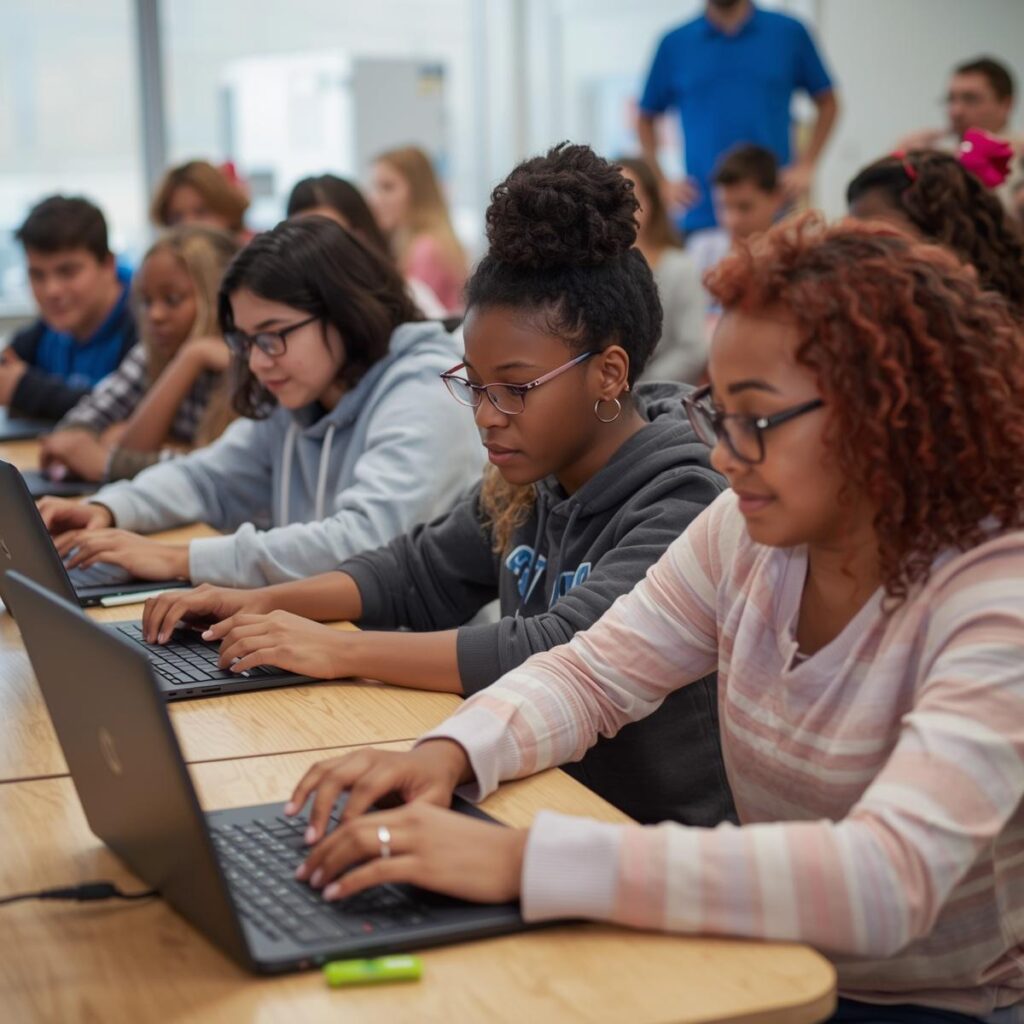
Technology has become an essential part of modern life, and its influence on education in the United States is profound. Over the past few decades, technological advancements have transformed how students learn, how teachers teach, and how educational institutions operate. From digital classrooms to artificial intelligence, technology continues to reshape the educational landscape.
In the United States, the integration of technology into education has created new opportunities for learning while also presenting unique challenges.
The Evolution of Technology in Education
The use of technology in education has evolved significantly over time. In the past, classrooms relied mainly on textbooks, chalkboards, and face-to-face instruction. Today, digital tools such as laptops, tablets, and interactive whiteboards are common in American schools.
The introduction of the internet revolutionized access to information. Students can now research topics, access online libraries, and collaborate with peers from different parts of the world.
Learning management systems (LMS) have also become widely used, allowing teachers to organize course materials, track student progress, and communicate effectively with students.
Benefits of Technology in Education
One of the most significant benefits of technology is increased accessibility. Students in the United States can access educational resources anytime and anywhere. This is particularly beneficial for those who may not have access to traditional learning environments.
Technology also supports personalized learning. Digital tools can adapt to individual learning styles and pace, helping students understand concepts more effectively. For example, educational software can provide additional practice for students who need it or advanced material for those who are ahead.
Another advantage is improved engagement. Interactive content such as videos, simulations, and games makes learning more interesting and enjoyable. This helps students stay motivated and actively participate in their education.
Online Learning and Virtual Classrooms
Online learning has become a major component of education in the United States. Virtual classrooms allow students to attend classes remotely, making education more flexible and convenient.
This approach gained significant attention during the COVID-19 pandemic when schools had to shift to remote learning. Since then, many institutions have continued to offer online or hybrid learning options.
Virtual classrooms use video conferencing tools, discussion forums, and digital assignments to create an interactive learning environment. Students can communicate with teachers and classmates in real time, even if they are not physically present.
The Role of Artificial Intelligence
Artificial intelligence (AI) is playing an increasingly important role in education. AI-powered tools can analyze student performance and provide personalized recommendations.
For example, adaptive learning platforms can identify areas where students struggle and offer targeted exercises to improve their understanding. AI can also assist teachers by automating tasks such as grading and administrative work.
Chatbots and virtual assistants are being used to answer student questions and provide support outside of classroom hours. This enhances the overall learning experience and makes education more efficient.
Enhancing Collaboration and Communication
Technology has made it easier for students and teachers to collaborate and communicate. Online platforms allow students to work on group projects, share ideas, and provide feedback.
Communication tools such as emails, messaging apps, and discussion boards enable constant interaction between teachers and students. This helps clarify doubts and ensures that students stay on track.
Collaboration also extends beyond the classroom. Students can connect with experts, participate in global projects, and gain exposure to different perspectives.
Challenges of Technology in Education
Despite its many advantages, technology in education also presents challenges. One of the main issues is the digital divide. Not all students have equal access to devices and reliable internet connections.
This inequality can create gaps in learning opportunities, especially for students from low-income families. Addressing this issue is essential to ensure that all students benefit from technological advancements.
Another challenge is distraction. While technology can enhance learning, it can also lead to distractions such as social media and entertainment. Students must learn to use technology responsibly and stay focused on their studies.
Privacy and security concerns are also important. Schools must ensure that student data is protected and that online platforms are safe to use.
The Role of Teachers in a Technology-Driven Classroom
Even with advanced technology, teachers remain essential in the learning process. Technology is a tool that supports teaching, but it cannot replace the human connection and guidance provided by educators.
Teachers must learn how to effectively integrate technology into their teaching methods. This includes selecting appropriate tools, designing engaging lessons, and guiding students in using technology responsibly.
Professional development and training are important to help teachers stay updated with new technologies and teaching strategies.
Technology and Skill Development
Technology helps students develop important skills that are essential for the modern workforce. These include digital literacy, problem-solving, and critical thinking.
Students learn how to use software, analyze data, and communicate effectively using digital tools. These skills are highly valued by employers and are necessary for success in many careers.
Technology also encourages creativity. Students can create presentations, videos, and digital projects that showcase their ideas and talents.
The Future of Technology in Education
The future of education in the United States will be heavily influenced by technology. Emerging technologies such as virtual reality (VR) and augmented reality (AR) are expected to create immersive learning experiences.
For example, students may be able to explore historical sites, conduct virtual science experiments, or practice real-world scenarios in a simulated environment.
Blockchain technology may also be used for secure record-keeping and credential verification.
As technology continues to evolve, education will become more personalized, interactive, and accessible.
Balancing Technology and Traditional Learning
While technology offers many benefits, it is important to maintain a balance between digital and traditional learning methods. Face-to-face interaction, hands-on activities, and personal connections remain essential components of education.
Educators must find ways to integrate technology without losing the human aspect of teaching. A balanced approach ensures that students receive a well-rounded education.
Conclusion
Technology has transformed education in the United States, creating new opportunities for learning and growth. It has made education more accessible, personalized, and engaging.
However, challenges such as the digital divide and distractions must be addressed to ensure effective use of technology. Teachers play a crucial role in guiding students and integrating technology into the learning process.
As technology continues to advance, it will shape the future of education in exciting and innovative ways. By embracing these changes, students and educators can unlock new possibilities and achieve greater success.