The Importance of College Readiness in the USA Education System
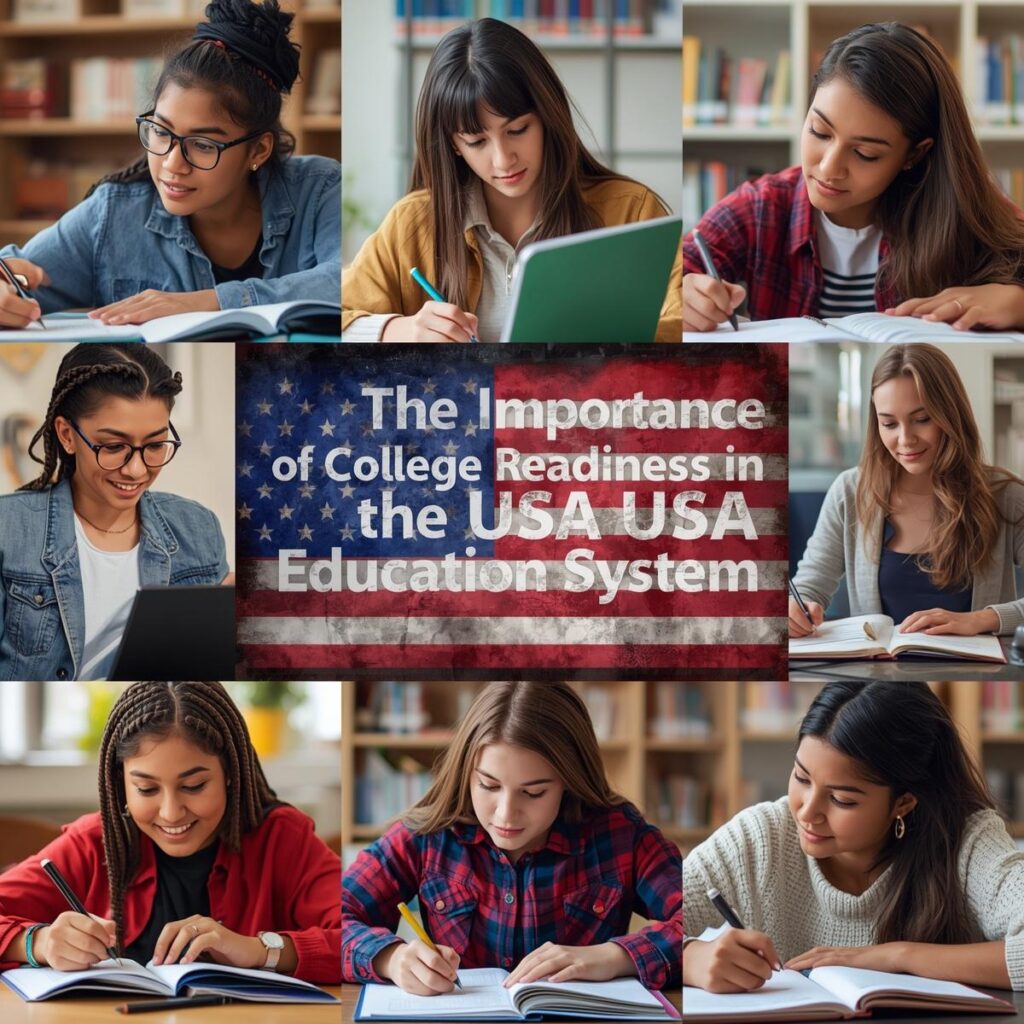
College readiness is a critical goal of the education system in the United States. It refers to the preparation students need to successfully transition from high school to college. This preparation includes academic skills, personal development, and the ability to adapt to new environments.
As higher education becomes increasingly important for career success, ensuring that students are ready for college is essential. College readiness helps students succeed academically, socially, and professionally.
What is College Readiness?
College readiness means that a student has the knowledge, skills, and mindset necessary to succeed in college-level courses. It goes beyond academic achievement and includes critical thinking, time management, and self-discipline.
In the United States, schools focus on preparing students for college through rigorous coursework, standardized tests, and guidance programs.
Being college-ready also means understanding how to navigate college systems, such as course selection, financial aid, and campus resources.
Academic Preparation
Academic preparation is a key component of college readiness. Students must develop strong skills in subjects such as reading, writing, mathematics, and science.
Advanced courses, such as Advanced Placement (AP) and honors classes, help students build the knowledge required for college-level work.
Study skills, note-taking, and research abilities are also essential for academic success in college.
The Importance of Study Skills
College courses require a higher level of independence and responsibility compared to high school. Students must manage their time, complete assignments, and prepare for exams without constant supervision.
Developing effective study habits is crucial for success. This includes setting goals, creating study schedules, and staying organized.
Students who master these skills are better prepared to handle the demands of college education.
Time Management and Responsibility
Time management is one of the most important skills for college readiness. College students must balance classes, assignments, extracurricular activities, and personal responsibilities.
Learning how to prioritize tasks and meet deadlines is essential. Students who struggle with time management may find it difficult to keep up with coursework.
Responsibility and self-discipline are also important. Students must take ownership of their learning and stay committed to their goals.
Social and Emotional Readiness
College readiness is not just about academics—it also involves social and emotional preparation. Students must adapt to new environments, meet new people, and handle increased independence.
Building confidence, resilience, and communication skills helps students navigate these changes successfully.
Emotional readiness also includes managing stress and maintaining a healthy balance between academics and personal life.
The Role of High Schools
High schools play a crucial role in preparing students for college. They provide academic courses, counseling services, and extracurricular opportunities that contribute to college readiness.
Guidance counselors help students choose appropriate courses, prepare for standardized tests, and complete college applications.
Schools also organize workshops and seminars to educate students about college expectations and requirements.
The Importance of College Counseling
College counseling is an important part of the preparation process. Counselors provide valuable information about college options, admissions requirements, and financial aid.
They help students identify suitable colleges based on their interests, abilities, and goals.
Counseling services also assist with application essays, interviews, and scholarship opportunities.
Financial Literacy and Planning
Understanding the financial aspects of college is an important part of readiness. Students and families must be aware of tuition costs, financial aid options, and budgeting.
Financial literacy helps students make informed decisions about their education and avoid excessive debt.
In the United States, many schools provide resources and guidance to help students navigate financial planning for college.
The Role of Extracurricular Activities
Extracurricular activities contribute to college readiness by developing skills such as leadership, teamwork, and time management.
Participation in clubs, sports, and volunteer work enhances a student’s profile and demonstrates commitment and responsibility.
Colleges often consider extracurricular involvement during the admissions process, making it an important aspect of preparation.
The Impact of Technology on College Readiness
Technology plays a significant role in preparing students for college. Online resources, virtual tours, and digital applications make it easier for students to explore college options.
Students also use technology for research, communication, and completing assignments.
Digital literacy is essential for success in college, where online learning platforms and resources are widely used.
Challenges in College Readiness
Despite its importance, many students face challenges in achieving college readiness. These may include lack of access to resources, financial constraints, and limited guidance.
Students from underserved communities may face additional barriers, such as fewer advanced course options and less access to counseling services.
Addressing these challenges requires support from schools, families, and policymakers.
The Role of Parents in College Preparation
Parents play a key role in supporting college readiness. They can encourage academic achievement, provide guidance, and help with planning.
Open communication about goals, expectations, and challenges helps students stay focused and motivated.
Parental involvement also ensures that students have the support they need throughout the preparation process.
The Importance of Goal Setting
Setting clear goals is essential for college readiness. Students should identify their academic and career aspirations and create plans to achieve them.
Goal setting provides direction and motivation, helping students stay focused on their objectives.
Regularly reviewing and adjusting goals ensures continued progress and success.
Future Trends in College Readiness
The future of college readiness in the United States is evolving to meet changing educational and workforce demands. There is a growing emphasis on skill-based learning, critical thinking, and adaptability.
Schools are incorporating more career-focused programs and real-world experiences to better prepare students for college and beyond.
Technology will continue to play a key role in providing resources and support for students.
Conclusion
College readiness is a vital aspect of the U.S. education system. It prepares students for the challenges of higher education and sets the foundation for future success.
By focusing on academic preparation, time management, and personal development, students can transition smoothly into college life.
Support from schools, parents, and communities ensures that students have the resources and guidance needed to achieve their goals. Ultimately, college readiness is the key to unlocking opportunities and building a successful future.