Student Success Strategies in the USA: How to Achieve Academic Excellence
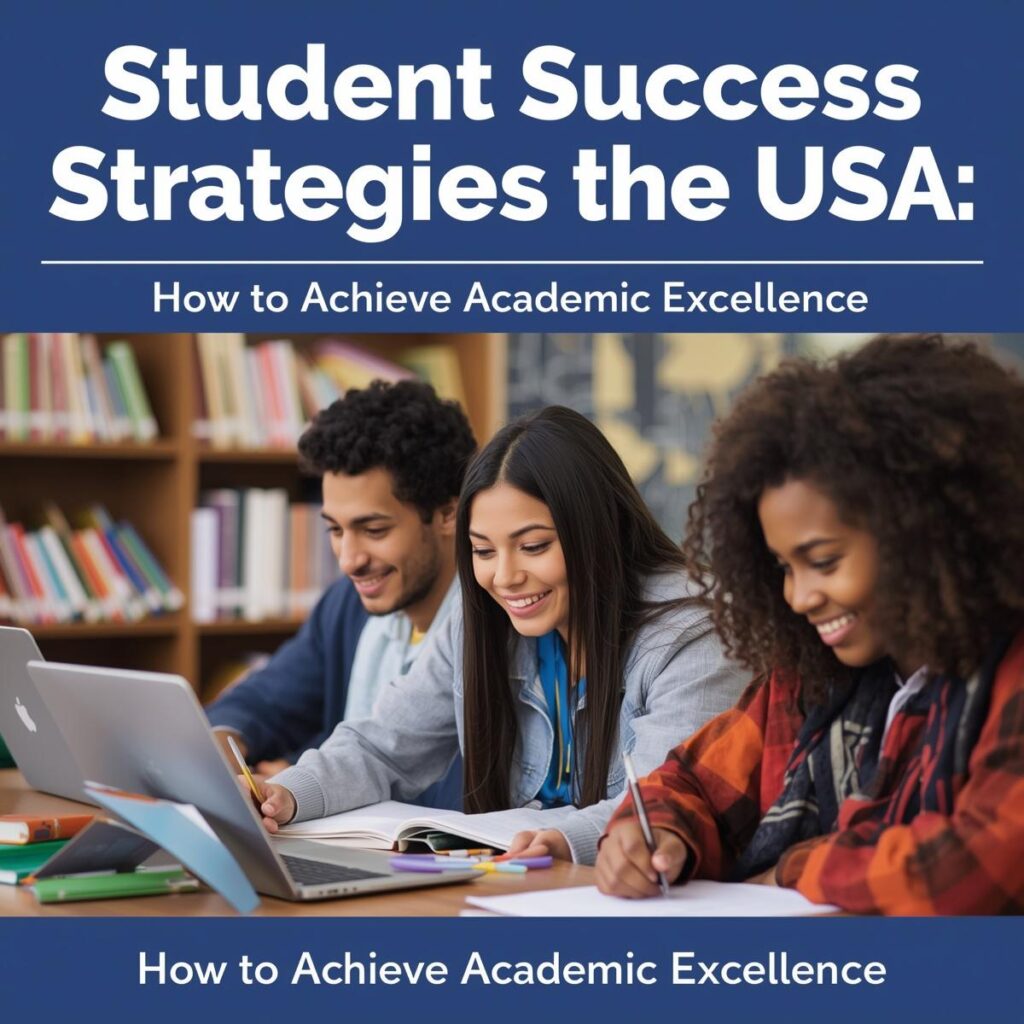
Achieving academic success is a goal shared by students across the United States. However, success in education is not just about intelligence—it requires discipline, effective strategies, and a positive mindset. With increasing academic competition and evolving educational standards, students must adopt smart approaches to excel in their studies.
In the American education system, students are encouraged to take responsibility for their learning. By developing strong habits and using proven strategies, they can improve their performance and reach their full potential.
Setting Clear Academic Goals
One of the most important steps toward success is setting clear and realistic goals. Students who define their objectives are more likely to stay focused and motivated.
Goals can be short-term, such as completing assignments on time, or long-term, such as achieving a high GPA or getting into a top university. Writing down goals and tracking progress can help students stay organized and committed.
In the United States, many schools encourage goal-setting as part of personal development. Teachers often guide students in creating academic plans that align with their strengths and interests.
Effective Time Management
Time management is a critical skill for academic success. Students often have to balance multiple responsibilities, including classes, homework, extracurricular activities, and part-time jobs.
Creating a daily or weekly schedule can help students manage their time efficiently. Prioritizing tasks based on deadlines and importance ensures that important work is completed on time.
Avoiding procrastination is also essential. Breaking large tasks into smaller steps makes them easier to handle and reduces stress. Using tools such as planners or digital apps can further improve organization.
Developing Strong Study Habits
Successful students develop consistent study habits. Instead of cramming before exams, they study regularly and review material frequently.
Active learning techniques, such as summarizing information, taking notes, and teaching concepts to others, can improve understanding and retention. Practice tests and quizzes also help students identify areas that need improvement.
Creating a distraction-free study environment is equally important. A quiet and organized space allows students to focus better and be more productive.
The Importance of Class Participation
Active participation in class can significantly enhance learning. Students who ask questions, contribute to discussions, and engage with the material are more likely to understand and remember it.
In American classrooms, participation is often encouraged and sometimes even graded. Teachers appreciate students who show interest and take initiative.
Participation also helps students build confidence and improve communication skills—qualities that are valuable both academically and professionally.
Utilizing Available Resources
Students in the United States have access to a wide range of educational resources. Libraries, tutoring centers, online platforms, and study groups provide additional support for learning.
Many schools offer academic advising services to help students plan their courses and career paths. Taking advantage of these resources can make a significant difference in academic performance.
Online tools, including educational websites and video tutorials, also provide valuable learning opportunities. Students can use these resources to reinforce their understanding of complex topics.
Maintaining a Healthy Lifestyle
Academic success is closely linked to physical and mental well-being. Students who maintain a healthy lifestyle are more likely to perform well in their studies.
Getting enough sleep, eating a balanced diet, and exercising regularly can improve concentration and energy levels. Stress management is also important, especially during exams and deadlines.
Practicing mindfulness, taking breaks, and staying socially connected can help reduce stress and maintain a positive mindset.
Building Strong Relationships
Relationships play an important role in student success. Connecting with teachers, classmates, and mentors can provide support, guidance, and motivation.
Teachers can offer valuable advice, clarify doubts, and provide feedback on performance. Classmates can form study groups and collaborate on assignments.
Mentors, including counselors and professionals, can guide students in making academic and career decisions. Building a strong support network can help students overcome challenges and stay motivated.
Overcoming Challenges and Failures
Every student faces challenges at some point in their academic journey. Whether it is a difficult subject, a poor grade, or personal issues, overcoming obstacles is part of the learning process.
Instead of viewing failure as a setback, students should see it as an opportunity to learn and improve. Analyzing mistakes and identifying areas for improvement can lead to better performance in the future.
Resilience and perseverance are key qualities for success. Students who stay determined and continue to work hard are more likely to achieve their goals.
The Role of Technology in Student Success
Technology has become an essential tool for students in the United States. From online research to digital note-taking, technology enhances the learning experience.
Educational apps, virtual classrooms, and online collaboration tools allow students to access information and work together more efficiently. However, it is important to use technology wisely and avoid distractions such as social media during study time.
Learning how to use digital tools effectively can give students a competitive advantage in both academics and future careers.
Preparing for Exams Effectively
Exams are an important part of the education system, and proper preparation is essential for success. Students should start preparing well in advance rather than waiting until the last minute.
Creating a study plan, reviewing notes regularly, and practicing past papers can improve confidence and performance. Group study sessions can also be helpful for discussing concepts and clarifying doubts.
On the day of the exam, staying calm and managing time effectively can make a significant difference. Reading questions carefully and planning answers can help avoid mistakes.
Developing a Growth Mindset
A growth mindset is the belief that abilities and intelligence can be developed through effort and learning. Students with a growth mindset are more likely to embrace challenges and persist in the face of difficulties.
In the United States, educators often emphasize the importance of this mindset. Encouraging students to focus on effort rather than just results helps build confidence and resilience.
By believing in their ability to improve, students can achieve greater success and reach their full potential.
Planning for the Future
Academic success is closely linked to future goals. Students should think about their career aspirations and plan their education accordingly.
Choosing the right courses, participating in internships, and gaining practical experience can help students prepare for their desired careers.
Career counseling services and college guidance programs can provide valuable insights and support. Early planning allows students to make informed decisions and stay on track.
Conclusion
Student success in the United States is achieved through a combination of hard work, smart strategies, and a positive attitude. By setting clear goals, managing time effectively, and developing strong study habits, students can excel academically.
Utilizing available resources, maintaining a healthy lifestyle, and building strong relationships further contribute to success. Challenges and failures should be seen as opportunities for growth rather than obstacles.
Ultimately, success in education is not just about grades—it is about developing skills, knowledge, and confidence that will help students succeed in all aspects of life.