The Role of Extracurricular Activities in Student Development in the USA
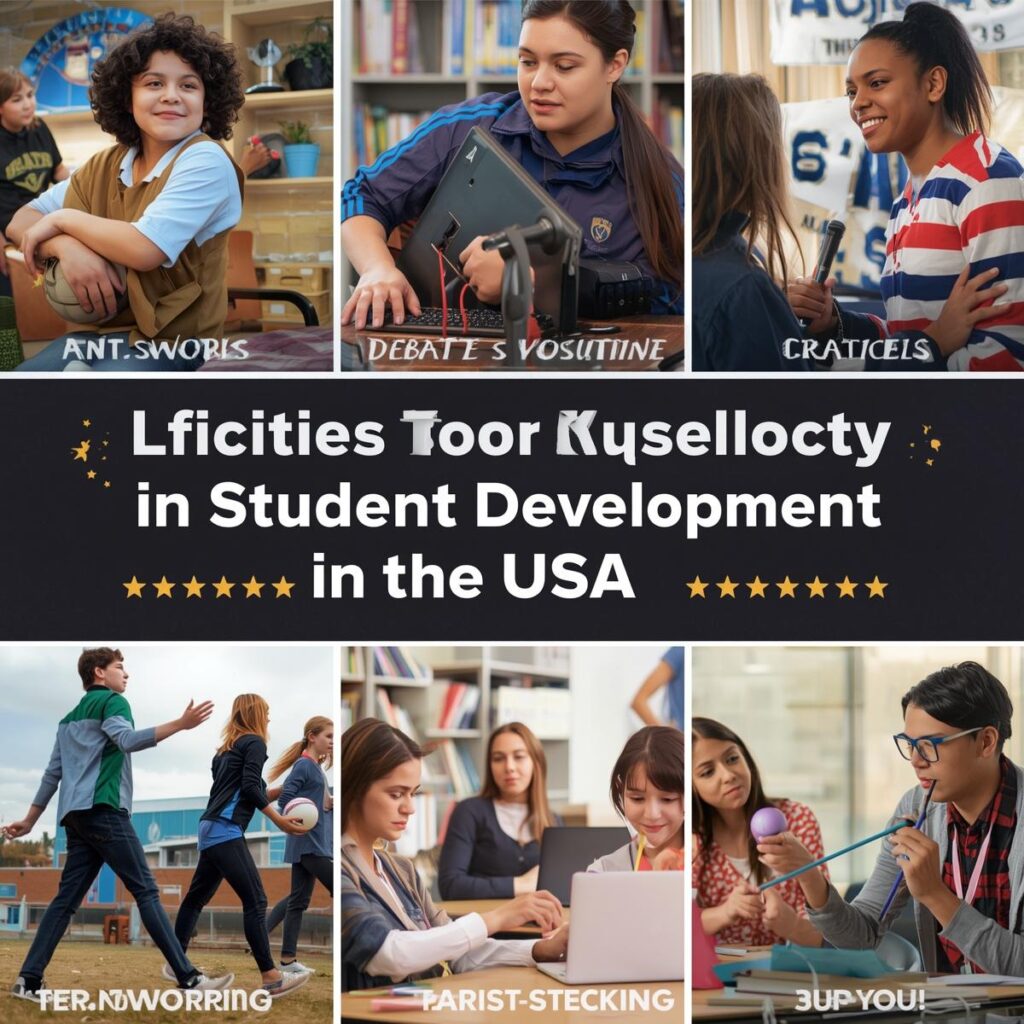
Education in the United States goes far beyond textbooks and classroom learning. Extracurricular activities play a vital role in shaping students’ overall development. These activities, which take place outside the regular academic curriculum, help students build essential life skills, explore their interests, and prepare for future success.
From sports and arts to clubs and volunteer work, extracurricular activities provide students with opportunities to grow personally, socially, and academically.
What Are Extracurricular Activities?
Extracurricular activities are organized programs and activities that students participate in outside of their regular classes. These may include sports teams, music and arts programs, debate clubs, student government, and community service.
In the United States, schools encourage students to take part in such activities as part of a well-rounded education. Participation is often considered an important factor in college admissions as well.
These activities allow students to explore their passions and develop skills that are not typically taught in the classroom.
Enhancing Personal Development
One of the biggest benefits of extracurricular activities is personal development. Students gain confidence, independence, and a sense of responsibility.
By participating in different activities, students discover their strengths and interests. This self-awareness helps them make better decisions about their education and future careers.
Extracurricular activities also encourage students to step out of their comfort zones, try new things, and take risks in a supportive environment.
Building Social Skills
Extracurricular activities provide valuable opportunities for social interaction. Students work with peers who share similar interests, which helps them build friendships and develop communication skills.
Team-based activities, such as sports or group projects, teach students how to collaborate, resolve conflicts, and respect different perspectives.
These social skills are essential for success in both academic and professional environments.
Improving Academic Performance
Contrary to the belief that extracurricular activities distract from studies, research shows that students who participate in such activities often perform better academically.
These activities help students develop time management and organizational skills, which are crucial for balancing academic responsibilities.
Additionally, involvement in extracurricular activities can increase motivation and engagement in school, leading to better academic outcomes.
Developing Leadership Skills
Extracurricular activities provide numerous opportunities for students to take on leadership roles. Whether it is captaining a sports team, leading a club, or organizing an event, students learn how to lead and inspire others.
Leadership skills include decision-making, problem-solving, and the ability to manage responsibilities. These skills are highly valued in higher education and the workplace.
Students who develop leadership abilities early are better prepared to take on challenges in their future careers.
Encouraging Teamwork and Collaboration
Teamwork is a key component of many extracurricular activities. Students learn how to work together toward a common goal, share responsibilities, and support one another.
These experiences teach important lessons about cooperation, accountability, and mutual respect. Teamwork skills are essential in today’s collaborative work environments.
By participating in group activities, students also learn how to handle success and failure gracefully.
Exploring Career Interests
Extracurricular activities can help students explore potential career paths. For example, a student interested in journalism may join a school newspaper, while a student interested in technology may participate in a coding club.
These experiences provide practical insights into different fields and help students make informed decisions about their future.
Internships and volunteer work, which are often considered extracurricular activities, also provide valuable real-world experience.
The Role of Sports in Student Development
Sports are one of the most popular extracurricular activities in the United States. Participation in sports helps students maintain physical fitness and develop discipline.
Sports also teach important values such as teamwork, perseverance, and resilience. Athletes learn how to set goals, work hard, and handle both victories and defeats.
In addition, sports can open doors to scholarships and opportunities for higher education.
Arts and Creative Activities
Arts programs, including music, theater, and visual arts, play a significant role in student development. These activities encourage creativity, self-expression, and emotional growth.
Students involved in the arts often develop strong communication skills and a deeper appreciation for culture and diversity.
Creative activities also provide a healthy outlet for stress and help students maintain a balanced lifestyle.
Community Service and Volunteering
Community service is another important aspect of extracurricular involvement in the United States. Students participate in volunteer work to give back to their communities and make a positive impact.
Volunteering teaches empathy, compassion, and social responsibility. It also helps students understand real-world issues and develop a sense of purpose.
Many colleges and universities value community service as it reflects a student’s commitment to making a difference.
Challenges of Extracurricular Involvement
While extracurricular activities offer many benefits, they can also present challenges. One of the main issues is time management. Students must balance their academic responsibilities with their extracurricular commitments.
Overcommitment can lead to stress and burnout if not managed properly. It is important for students to choose activities that align with their interests and priorities.
Access to extracurricular activities can also be limited in some schools, particularly in underfunded areas.
The Role of Schools and Educators
Schools and educators play a crucial role in promoting extracurricular activities. They provide resources, organize programs, and encourage student participation.
Teachers and coaches act as mentors, guiding students and helping them develop their skills. Support from educators can enhance the overall experience and ensure that students benefit from their involvement.
Creating inclusive and diverse programs ensures that all students have the opportunity to participate.
The Impact on College Admissions
Extracurricular activities are an important factor in college admissions in the United States. Admissions officers look for students who demonstrate commitment, leadership, and a willingness to contribute to their communities.
Participation in meaningful activities can set students apart from others with similar academic achievements. It shows that they are well-rounded individuals with diverse interests and skills.
However, quality is more important than quantity. Students should focus on activities they are passionate about rather than trying to participate in everything.
The Future of Extracurricular Activities
The future of extracurricular activities in the United States is evolving with the integration of technology and changing student interests. Virtual clubs, online competitions, and digital collaboration are becoming more common.
There is also a growing emphasis on inclusivity and accessibility, ensuring that all students have opportunities to participate regardless of their background.
Schools are likely to continue expanding their programs to meet the diverse needs and interests of students.
Conclusion
Extracurricular activities are an essential part of education in the United States. They contribute to personal growth, social development, and academic success.
By participating in these activities, students develop important life skills such as leadership, teamwork, and time management. They also gain valuable experiences that prepare them for future challenges.
A balanced approach to academics and extracurricular involvement ensures that students receive a well-rounded education and are well-prepared for success in all areas of life.